Arthritis Management

Arthritis is an inevitable consequence of many joint conditions. While there is no cure, its symptoms can be controlled through weight management, exercise, hydrotherapy, physiotherapy and medication.
Arthritis Management

What Is This Procedure?

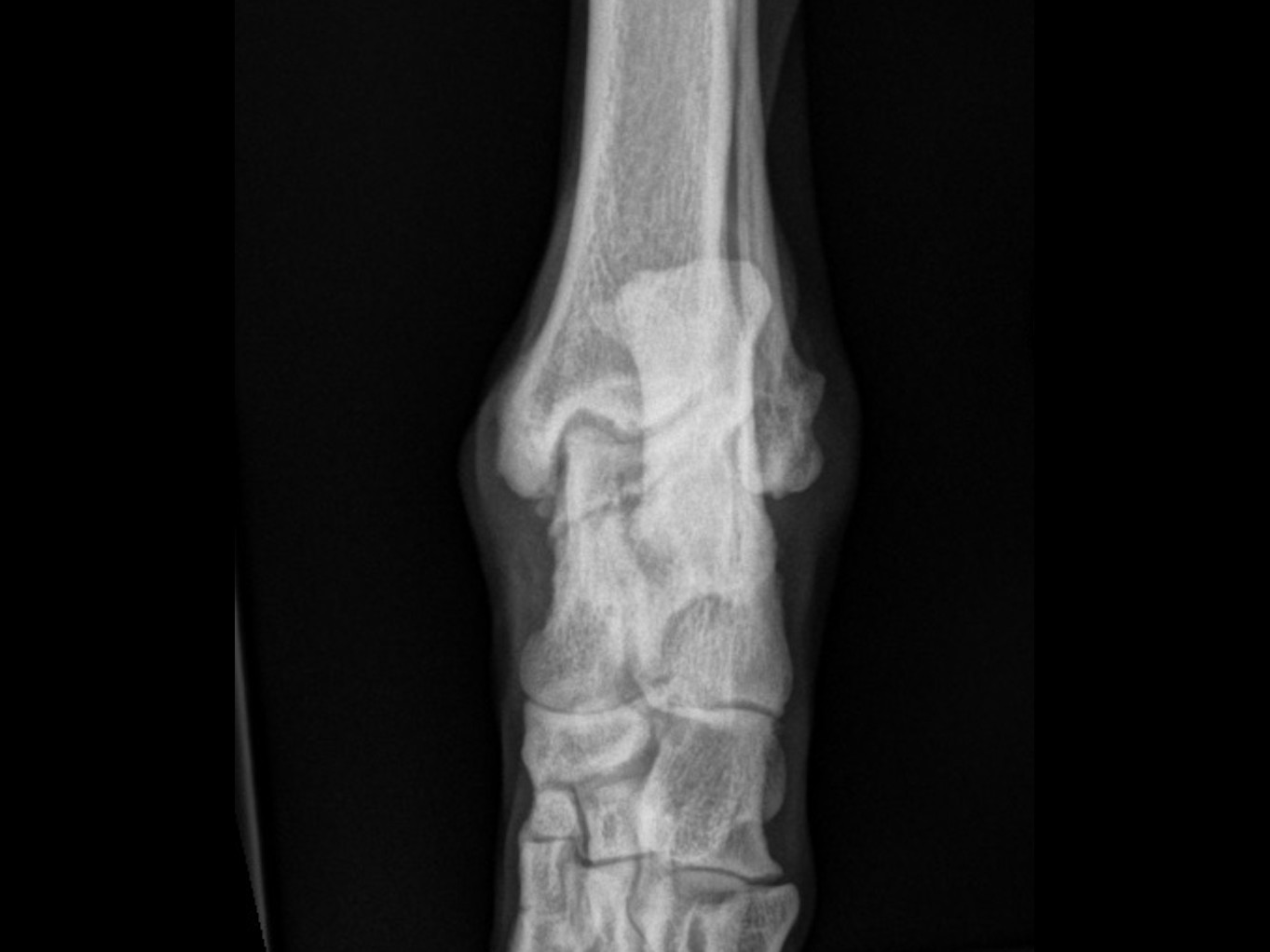
Osteoarthritis is a complex disease process that involves the articular cartilage and underlying bone, joint capsule, and surrounding soft tissues. Unfortunately, arthritis is an inevitable consequence of many joint conditions including fracture, hip dysplasia, elbow dysplasia and cranial cruciate ligament disease.

While there is no cure for arthritis, and surgical options are usually limited, the symptoms of arthritis can be controlled / minimised by a combination of measures. You, the pet owner, are the person in the best position to improve these things for your pet.

When Is It Recommended?

Arthritis is managed through a combination of measures:

  • Weight management — being overweight means the arthritic joint carries more weight, causing more pain. Identify the target body weight, reduce food intake by 20–40%, feed diet food and avoid treats (or give low-calorie treats such as vegetables), organise regular weight checks every 1–2 weeks, and aim for approximately 10% body weight loss over 3 months.
  • Exercise management — short frequent walks are better than long infrequent walks; exercise patterns should be regular; high-impact activity such as running, jumping, twisting and turning may need to be avoided or reduced. Start gentle and gradually build up.
  • Hydrotherapy / water treadmill — swimming is an excellent way to ensure exercise and movement, best done in a controlled environment under the supervision of a professional. A water treadmill is more controlled, while free swimming in a pool against jets gives more of a work-out.
  • Physiotherapy — an important part of long-term management as it can lessen pain by improving the strength of the muscles around the affected joint; a programme should be specific to your pet.
  • Medication — non-steroidal anti-inflammatories are generally safe, effective and can be given longer term; stop and seek veterinary advice if symptoms such as vomiting, diarrhoea or not eating occur.

Expected Outcomes

A number of nutritional approaches can support joint health alongside the core measures:

  • Prescription diets — commercial foods marketed for joint health, e.g. Hills J/D, Purina JM or Royal Canin Mobility. There is evidence that Hills J/D improves the mobility of dogs with arthritis, but it is relatively expensive.
  • Supplements — formulas such as Yumove, Antinol, Arthriaid, Cosequin and Synoquin; the evidence is mixed and it is usually recommended to try these for 3–6 months before deciding whether they work. Omega-3 fatty acids have been shown to decrease inflammation within the joints; fish sources are preferable to flaxseed, and dogs need a much higher dose than people.
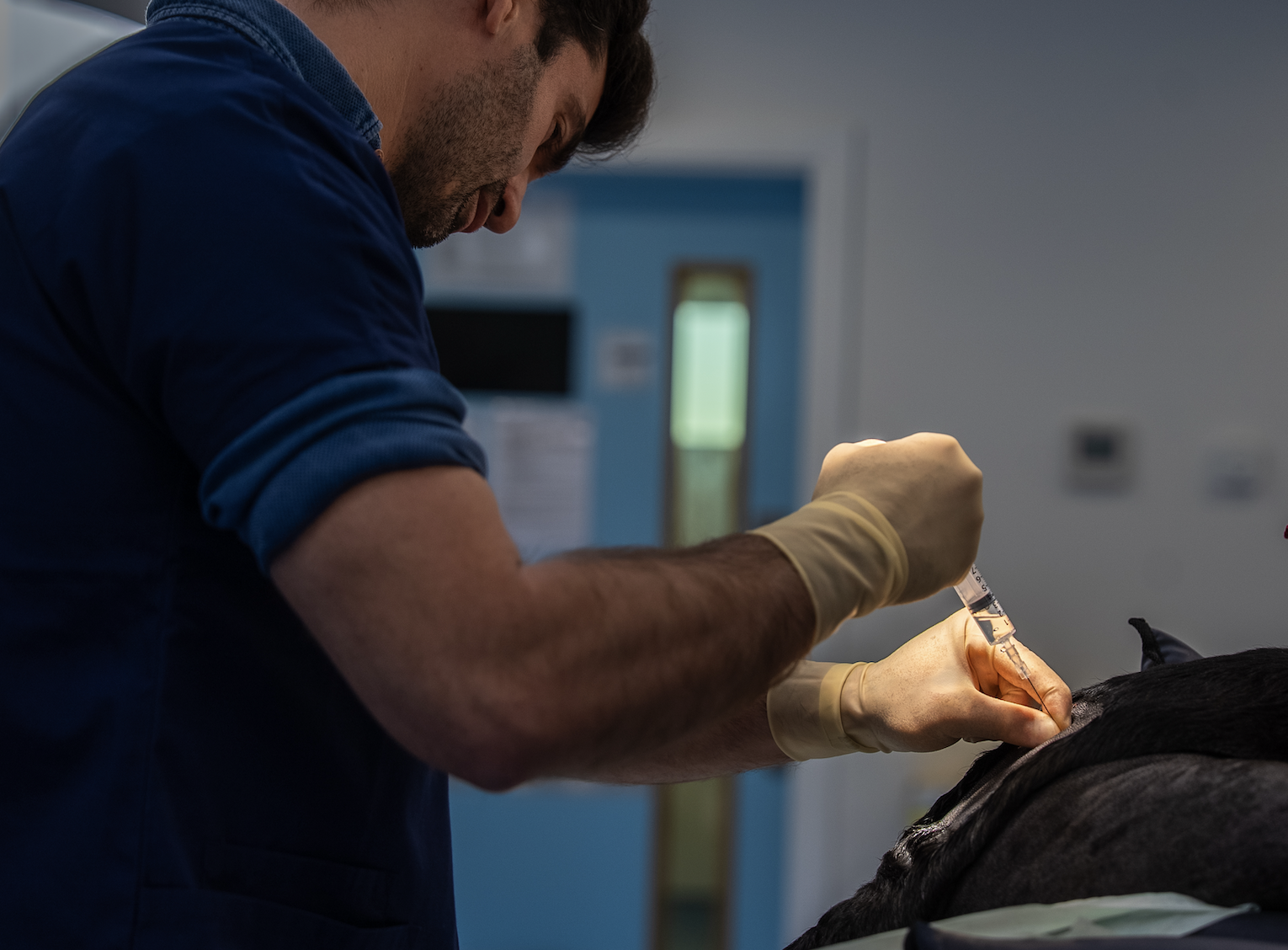
  • Injectable joint supplements — 'Cartrophen' (pentosan polysulphate) can be given under the skin every week for 4 weeks; the evidence is very limited, but it is claimed clinical improvement can last 3–12 months.

Recovery Timeline

Clear recovery guidance so you know what to expect at every stage.

1
0 – 2 WEEKS

Initial Recovery

Restricted activity and rest. Pain management and wound care. Short lead walks for toileting only. Your pet will have a follow-up check at 2 weeks for suture removal.

2
2 – 6 WEEKS

Controlled Recovery

Gradually increasing lead walks. Continued restricted activity at home. Physiotherapy exercises as advised by our team to support healing and muscle rebuilding.

3
6 – 8 WEEKS

Follow-Up Assessment

Follow-up imaging to check bone healing. Gradual increase in exercise duration and intensity based on progress. Most dogs show significant improvement by this stage.

4
10 – 12 WEEKS

Return to Normal Activity

Return to controlled normal activity, case dependent. Off-lead exercise can usually be gradually reintroduced. Full recovery is typically achieved within 3–4 months.

Frequently Asked Questions

Answers to common questions about this procedure.

No items found.

Related Services

GET STARTED

Ready to Refer a Patient?

Whether you're a vet looking to refer or a pet owner wanting to learn more, we'd love to hear from you.

Refer a Case →