Skilled fracture repair using the latest techniques including plating, external fixation and minimally invasive surgery for the best possible recovery.

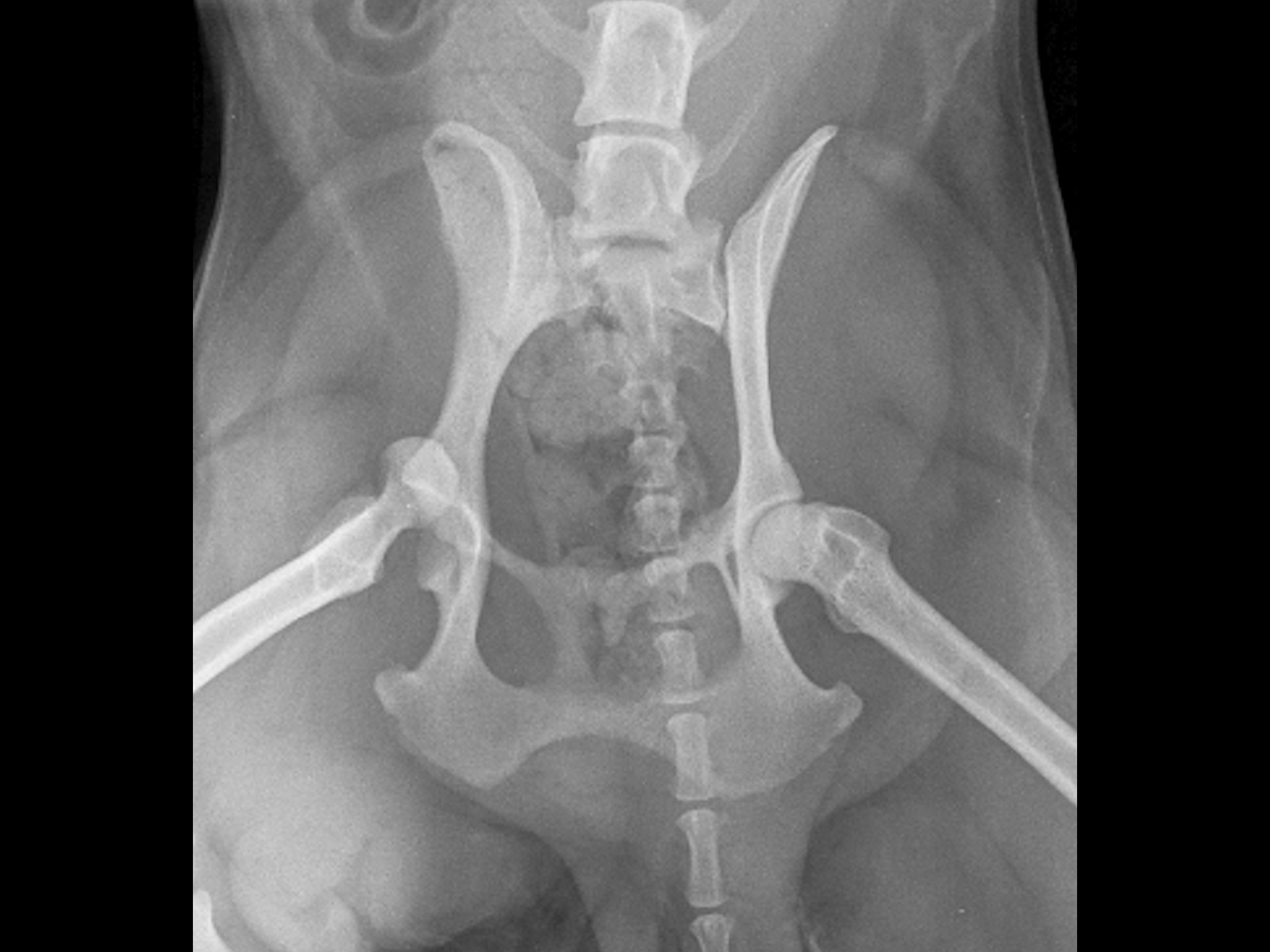
Fracture management involves the surgical repair of broken bones in dogs and cats. At AVS, we treat a wide range of fractures — from simple breaks to complex, multi-fragment injuries — using the most appropriate technique for each case. Complex fractures are planned in advance using CT imaging for more accurate surgery and better outcomes; examples would be fractures of the skull, spine, pelvis, elbow, carpus or tarsus.
Our surgical approaches include:
Surgical fracture repair is recommended when a bone is broken and will not heal satisfactorily with rest alone, or where the fracture involves a joint surface. Common scenarios include:
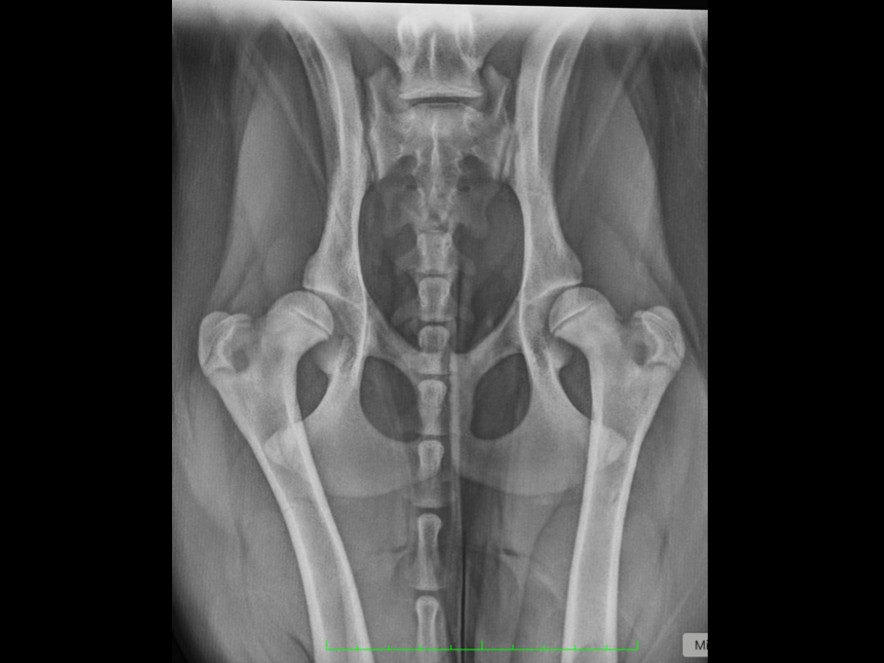
Following a thorough assessment including X-rays or CT imaging, we will explain the nature of the fracture and recommend the most appropriate repair method. We also manage elbow fractures including lateral condylar fractures and complex bicondylar (Y-T) fractures, which require precise reconstruction to restore joint function.
The outcome of fracture repair depends on factors including the type and location of the fracture, the patient's age and overall health, and any associated soft tissue injuries. In general:
Once we have seen X-rays of the fracture, we can provide an all-inclusive price for fracture repairs, covering the surgical procedure, anaesthesia, hospitalisation, medications and follow-up appointments within the recovery period
Clear recovery guidance so you know what to expect at every stage.
Restricted activity and rest. Pain management and wound care. Short lead walks for toileting only. Your pet will have a follow-up check at 2 weeks for suture removal.
Gradually increasing lead walks. Continued restricted activity at home. Physiotherapy exercises as advised by our team to support healing and muscle rebuilding.
Follow-up imaging to check bone healing. Gradual increase in exercise duration and intensity based on progress. Most dogs show significant improvement by this stage.
Return to controlled normal activity, case dependent. Off-lead exercise can usually be gradually reintroduced. Full recovery is typically achieved within 3–4 months.
Answers to common questions about this procedure.
Bone healing typically takes 8–12 weeks, with controlled exercise and follow-up X-rays to confirm union. Most pets return to a full, comfortable life with their family.
We manage simple and complex fractures in dogs and cats — from straightforward limb fractures to multi-fragment, growth-plate and pelvic injuries — using plates, screws, pins and external frames as appropriate.
Fractures are urgent. We aim to see referrals on the same or next day, and our team works closely with your vet to stabilise your pet promptly while plans are made.
Whether you're a vet looking to refer or a pet owner wanting to learn more, we'd love to hear from you.
Refer a Case →