Orthopaedic Surgery

Specialist orthopaedic surgery for dogs and cats — from cruciate disease and patellar luxation to total hip replacement, fracture repair and joint fusion, planned and carried out by an experienced surgical team.
Orthopaedic Surgery

What Is This Procedure?

Orthopaedic surgery is the core of what we do at AVS. Our surgical team treats problems affecting bone, joints, ligaments and tendons in dogs and cats — from common cruciate injuries through to complex reconstructive procedures — with every case planned around the individual patient.

The areas we routinely treat include:

  • Stifle (knee) — cruciate ligament disease treated by TPLO, and patellar luxation correction.
  • Hip — total hip replacement, femoral head and neck excision, and the management of hip dysplasia and hip luxation.
  • Elbow — elbow dysplasia, humeral intracondylar fissure and arthroscopic assessment.
  • Shoulder, carpus and hock — osteochondrosis, joint luxation, and arthrodesis (surgical fusion) of the wrist or ankle.
  • Fracture management — plating, pinning and external fixation for both simple and complex fractures.
  • Angular limb deformity correction — planned with CT and corrected by osteotomy where growth has left a limb misaligned.

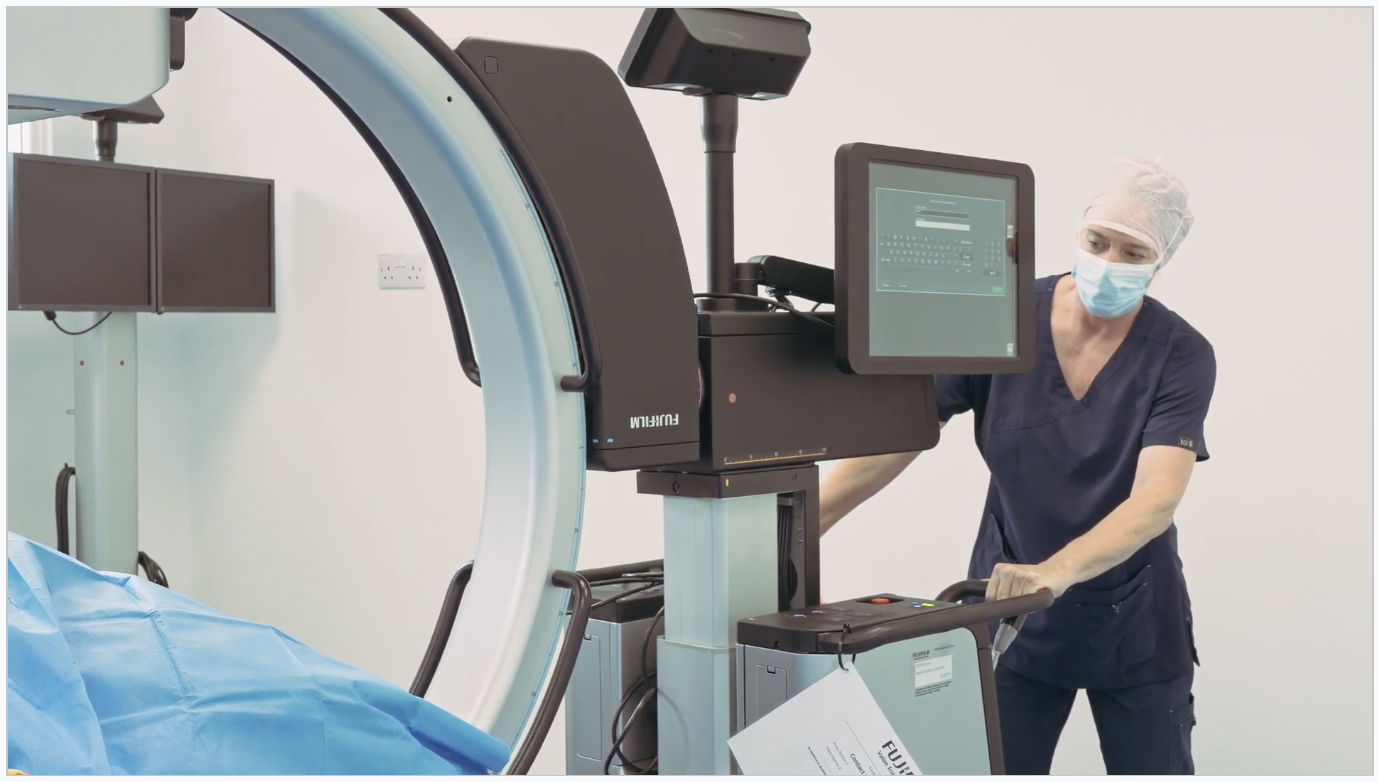
Surgery is supported by in-house diagnostic imaging and advanced diagnostics, a dedicated orthopaedic theatre, and a structured recovery and aftercare plan for every patient.

For the full list of procedures grouped by condition, see our Orthopaedic Surgery page.

When Is It Recommended?

A referring vet will typically send an orthopaedic case to AVS when:

  • A dog or cat has persistent lameness that has not responded to rest and medication
  • Cruciate ligament disease is suspected or confirmed and surgical stabilisation is needed
  • A fracture requires internal fixation, or is too complex to repair in primary practice
  • Radiographs suggest hip or elbow dysplasia, osteochondrosis or another developmental joint problem
  • A joint is unstable or luxating and needs surgical stabilisation or fusion
  • An owner would value a specialist opinion on a diagnosis or a proposed treatment plan

If you are not sure whether a case needs referral, we are always happy to discuss it first — see consultations.

Expected Outcomes

  • A clear surgical plan, discussed with the owner and the referring vet before anything goes ahead
  • Pain relieved and limb function restored as far as the condition allows
  • Written post-operative instructions and a week-by-week recovery plan
  • Recheck appointments and follow-up imaging to confirm healing is on track
  • An honest discussion of prognosis, realistic expectations and cost before you commit

Outcomes vary by procedure and by patient, and we will always talk through what is realistic for your pet's specific case.

Recovery Timeline

Clear recovery guidance so you know what to expect at every stage.

1
0 – 2 WEEKS

Initial Recovery

Restricted activity and rest. Pain management and wound care. Short lead walks for toileting only. Your pet will have a follow-up check at 2 weeks for suture removal.

2
2 – 6 WEEKS

Controlled Recovery

Gradually increasing lead walks. Continued restricted activity at home. Physiotherapy exercises as advised by our team to support healing and muscle rebuilding.

3
6 – 8 WEEKS

Follow-Up Assessment

Follow-up imaging to check bone healing. Gradual increase in exercise duration and intensity based on progress. Most dogs show significant improvement by this stage.

4
10 – 12 WEEKS

Return to Normal Activity

Return to controlled normal activity, case dependent. Off-lead exercise can usually be gradually reintroduced. Full recovery is typically achieved within 3–4 months.

Frequently Asked Questions

Answers to common questions about this procedure.

No items found.

Related Services

GET STARTED

Ready to Refer a Patient?

Whether you're a vet looking to refer or a pet owner wanting to learn more, we'd love to hear from you.

Refer a Case →